
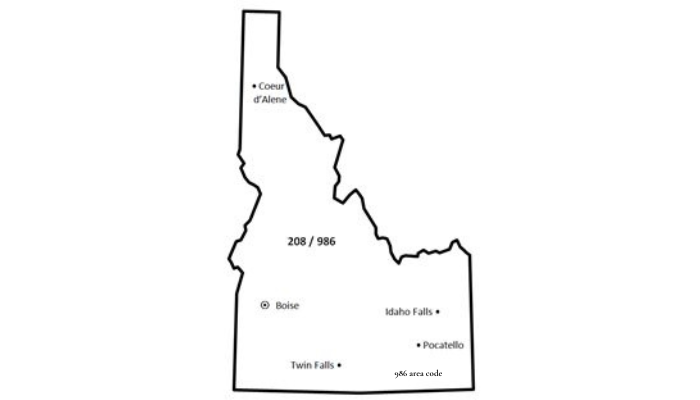

The 986 area code represents one of the newer additions to North America’s telephone numbering system. Established as an overlay to the 907 area code in Alaska, this assignment came into existence to manage the growing demand for phone numbers in the Last Frontier State. If you’ve encountered a phone number starting with 986, you might be wondering what makes this area code special and why it was created in the first place.
The North American Numbering Plan has expanded significantly over the past two decades, and the 986 area code is a perfect example of how telecommunications infrastructure adapts to meet modern needs. Understanding this area code can help you recognize legitimate calls, avoid potential scams, and get a better sense of Alaska’s communications landscape. Whether you’re a business owner, a curious individual, or someone who received a call from this area code, this comprehensive guide will help you understand everything about 986.
The History and Creation of 986
The 986 area code didn’t emerge overnight. Its creation was the result of careful planning by the North American Numbering Plan Administration (NANPA) and telecommunications regulators in Alaska. Before 986 came into existence, the 907 area code served all of Alaska, but as the state’s population grew and businesses expanded, the demand for phone numbers exceeded the available supply under the 907 designation.
In 2015, the decision was made to introduce 986 as an overlay area code. An overlay means that the new area code covers the same geographic region as the existing one, rather than splitting the state into separate territories. This approach allows both 907 and 986 to serve Alaska simultaneously, providing relief from number exhaustion without requiring customers to change their existing phone numbers. The implementation process took several years of preparation, public notice, and coordination with telecommunications carriers to ensure a smooth transition.
Geographic Coverage and Service Areas
The 986 area code covers the entire state of Alaska, just like its predecessor, the 907 area code. This means that any phone number assigned with the 986 prefix could belong to someone in Juneau, Anchorage, Fairbanks, Sitka, or any other Alaskan location. The geographic scope is comprehensive, spanning one of the largest states by area in the United States.
Understanding the service territory helps explain why 986 was necessary. Alaska covers over 665,000 square miles and encompasses diverse communities ranging from major urban centers to remote villages. The telecommunications needs of this vast region are substantial, and both area codes work together to serve the population efficiently. Whether you’re trying to reach someone in Southeast Alaska or the Interior, a 986 number might be the one you dial.
The overlay structure means that residents and businesses in Alaska may have either 907 or 986 numbers. There’s no clear-cut geographic distinction between which areas get which code. Instead, assignment depends on the telecommunications carrier and the time when the number was issued. This system ensures that both codes remain viable and that all Alaskans can access phone numbers when needed.
How Area Codes Are Assigned
Many people assume that area codes are assigned randomly, but the process is actually quite structured and purposeful. When a telecommunications carrier in Alaska needs to provision new phone numbers for customers, they request blocks of numbers from NANPA. Depending on the current availability and inventory levels, these numbers may be assigned from either the 907 or 986 pool.
The assignment process prioritizes number conservation and efficient inventory management. Carriers cannot simply choose which area code they prefer. Instead, the numbering system uses specific criteria to determine which code receives assignment priority. As one pool becomes depleted, more assignments naturally flow to the other code. This balancing act keeps both area codes active and prevents one from being completely exhausted while the other remains underutilized.
For individuals and businesses seeking a new phone number in Alaska, the specific area code they receive depends largely on their service provider’s current inventory. Some carriers might offer customers the choice between 907 and 986, while others assign numbers based on availability. This lack of geographic specificity means you shouldn’t make assumptions about where someone is located based solely on whether they have a 907 or 986 number.
Identifying Legitimate Calls from 986
With the proliferation of spam calls and scams, many people naturally feel cautious when receiving calls from unfamiliar area codes. The 986 area code is no exception. Understanding how to verify whether a 986 call is legitimate can help you protect yourself from potential fraud or harassment.
Legitimate callers from Alaska will typically identify themselves and provide context for their call. Whether it’s a business inquiry, a personal contact, or a customer service representative, genuine callers expect you to ask questions and verify their identity. If someone calls claiming to be from a specific company, you can independently verify by hanging up and calling the company’s official phone number directly.
Be wary of 986 calls that demand immediate payment, request personal information like Social Security numbers or bank account details, or create a sense of urgent pressure. These are common tactics used by scammers. Legitimate businesses and organizations follow proper protocols for sensitive information and don’t pressure people into hasty decisions. Your skepticism and caution are appropriate tools for protecting yourself from fraudulent calls.
Business Uses and Professional Communication
For businesses operating in Alaska or serving Alaskan customers, phone numbers with the 986 area code can be valuable assets. Having a local area code builds trust and credibility with customers who recognize the number as belonging to their region. Many successful businesses intentionally obtain 986 or 907 numbers to strengthen their local presence and improve customer engagement.
Remote workers and virtual businesses also benefit from area codes. If you’re based in Alaska but serve clients nationwide, having a 986 number on your business cards and website provides a professional local identifier. Similarly, if you’re headquartered elsewhere but have an Alaskan presence, adding a 986 number to your contact information shows customers you’re accessible and locally aware.
The telecommunications industry has evolved to make obtaining area-specific numbers easier than ever. Services like virtual phone numbers and VoIP solutions allow businesses to secure 986 numbers regardless of their physical location. This flexibility has democratized access to local area codes and enables entrepreneurs and established companies alike to build stronger regional connections.
The Difference Between 907 and 986
While both 907 and 986 serve Alaska, some people wonder if there are meaningful differences between the two codes. The answer is simple: from a functional perspective, there is no difference. Both area codes operate identically, follow the same calling patterns, and provide the same quality of service. Your call will connect just as reliably to a 986 number as to a 907 number.
The primary distinction lies in timing and availability. The 907 area code preceded 986 by several decades, so more established businesses and longer-term residents might have 907 numbers. However, this doesn’t make either code superior or inferior. New businesses registering in Alaska might find 986 numbers more readily available, depending on carrier inventory. Some people and organizations hold both area codes, using them for different purposes or departments.
Historically, area codes could indicate specific geographic regions or service territories, but that’s not the case with overlay codes. You cannot look at a phone number’s area code and determine whether someone is in Anchorage or a small village. The 986 and 907 overlay system was specifically designed to prevent the geographic confusion that comes with split area codes.
Future Outlook for Alaskan Telecommunications
As Alaska continues to grow and technology evolves, the telecommunications landscape will likely continue changing. Both 907 and 986 will remain active area codes serving the state indefinitely. The overlay system proved effective in solving the number exhaustion problem without creating the confusion that would have accompanied a geographic split.
Looking ahead, innovations in telecommunications such as increased reliance on digital communication and internet-based phone systems may affect how traditional area codes are used. However, phone numbers remain fundamental identifiers in the North American system, and area codes continue to hold importance for local business presence and customer recognition.
Read Also: 986 Area Code: Everything You Need to Know