
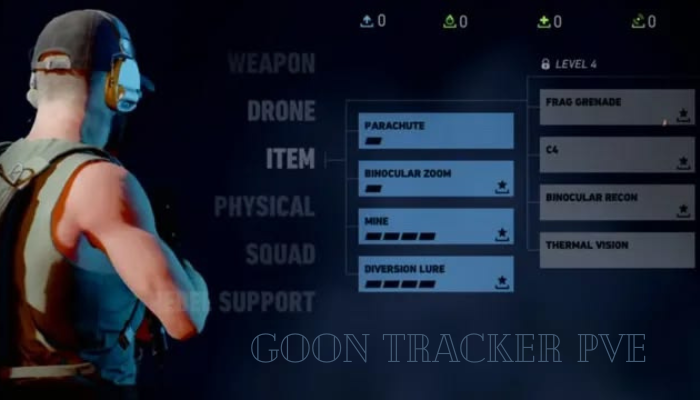

When you step into a raid with your guild, chaos can easily overtake your team if you lack proper coordination tools. Goon tracker pve has emerged as a game-changer for guilds and raid groups looking to elevate their performance beyond casual encounters. This comprehensive system provides real-time visibility into raid mechanics, player positioning, and damage output tracking that transforms how your team approaches endgame content.
The beauty of implementing a proper tracking system lies in its ability to bridge the gap between casual play and competitive raiding. Your guild members can see their individual contributions, understand their role’s demands, and take ownership of their progression journey. This transparency builds accountability while maintaining a positive, supportive atmosphere that keeps people engaged and excited about raid night.
Core Features That Make Goon Tracker PVE Essential
Successful raid teams understand that data-driven decisions lead to better outcomes. Goon Tracker PVE consolidates information from multiple sources into one intuitive dashboard that your officers can review during raid planning sessions. The damage per second metrics provide clear pictures of who’s performing at capacity and who might need additional guidance or gear upgrades.
The positioning tracker stands out as particularly valuable for mechanic-heavy encounters. When your raid leader can visualize where each player stood during a wipe, explaining the mistake becomes straightforward. Instead of vague descriptions, you point to the actual positions and explain how the positioning affected the encounter outcome. This concrete feedback helps players internalize lessons faster and prevents repeated mistakes.
The debuff tracking system deserves special mention for its utility in complex fights. Some encounters layer multiple status effects that require specific handling. Goon Tracker PVE automatically monitors these debuffs across your entire raid, ensuring nothing slips through the cracks. Your healers can see who needs cleansing priority, while your damage dealers understand when to focus fire or spread damage.
Setting Up Your Goon Tracker PVE System Correctly
Implementation matters just as much as the tool itself. Before activating Goon Tracker PVE in your raids, invest time in proper configuration. Your raid leader should customize what data matters most to your specific team composition and progression goals. A guild learning new content needs different tracking priorities than a veteran group farming weekly lockouts.
Documentation helps tremendously during the adjustment period. New members joining your guild should receive a brief guide explaining how performance tracking works in your community. Transparency about what you’re measuring and why you’re measuring it prevents suspicion and builds trust. Players perform better when they understand that tracking exists to help the team, not to single out individuals unfairly.
Interpreting Data to Improve Raid Performance
Numbers tell stories if you know how to read them. A player showing lower DPS might indicate several different issues requiring different solutions. Perhaps they’re playing a class unfamiliar to them and need mentorship from experienced players. Maybe their gear needs upgrading through alternate content or crafting. Sometimes positioning problems prevent them from reaching optimal damage windows.
Celebrating improvements matters as much as addressing problems. When someone dedicates themselves to improvement and Goon Tracker PVE reflects that progress, acknowledge it publicly in your guild chat. This positive reinforcement motivates continued development and shows that your leadership notices effort beyond just endgame results.
Advanced Strategies for Competitive Raid Teams
High-performing guilds leverage Goon Tracker PVE data for strategic preparation before encounters. By reviewing trends across multiple raid nights, your officers can predict potential problems and develop contingency plans. If your guild historically struggles with specific mechanics on particular bosses, targeted practice sessions can address these weaknesses.
Bench rotation decisions become clearer with objective data. Rather than subjective feelings about who should sit out specific encounters, you can make decisions based on actual performance metrics. This approach feels fairer to your roster and ensures you’re fielding optimal compositions for each challenge your guild faces.
Common Mistakes to Avoid When Using Goon Tracker PVE
Over-reliance on metrics can damage your raid environment if you lose sight of why people join guilds. Yes, numbers matter for progression, but the human elements of friendship, mentorship, and community matter more. The best guilds balance data-driven decisions with genuine care for their members’ enjoyment and development.
Misinterpreting anomalous data creates frustration and unfair judgments. One bad night doesn’t define someone’s performance potential. Tracking data over weeks and months reveals true patterns while single encounters might reflect external factors like connection issues, distractions, or simple bad luck. Fair leadership accounts for these variations.
Failing to communicate clearly about how you’ll use tracking data erodes trust. Players deserve transparency about what data you collect, who can access it, and how it influences decisions. Operating in secret breeds conspiracy theories and resentment. Open communication about your tracking practices prevents misunderstandings and demonstrates good intentions.
Building a Supportive Community Around Performance Tracking
The relationship between your guild members and performance data hinges entirely on how you frame its purpose. Present Goon Tracker PVE as a tool for collective improvement rather than individual judgment. When your team understands that better data helps everyone understand encounters more clearly and learn from mistakes more effectively, they embrace it.
Creating mentorship programs that pair experienced raiders with newer players accelerates everyone’s development. Veterans can explain how they approach specific encounters while Goon Tracker PVE provides concrete examples of what executing that approach looks like. This combination of explanation and visual evidence teaches faster than either approach alone.
Flexible expectations allow room for people with varying commitment levels and skill ceilings. Not every guild member needs to perform at the same level to contribute meaningfully. Establishing different raid tiers or casual alternatives to hardcore progression lets everyone participate at their comfort level. Goon Tracker PVE helps you match players to appropriate difficulty levels.
Moving Forward With Your Raid Performance Optimization
Implementing Goon Tracker PVE represents a commitment to intentional improvement and organized raiding. The tool itself simply provides information; your guild’s response to that information determines whether implementation succeeds or fails. Successful guilds treat tracking data as a conversation starter about how to accomplish shared goals together.
Start small with your tracking implementation and gradually expand as your team becomes comfortable with the system. Perhaps begin by monitoring only core metrics before adding advanced tracking. This gradual approach lets your guild adjust to increased transparency and data availability without feeling overwhelmed.