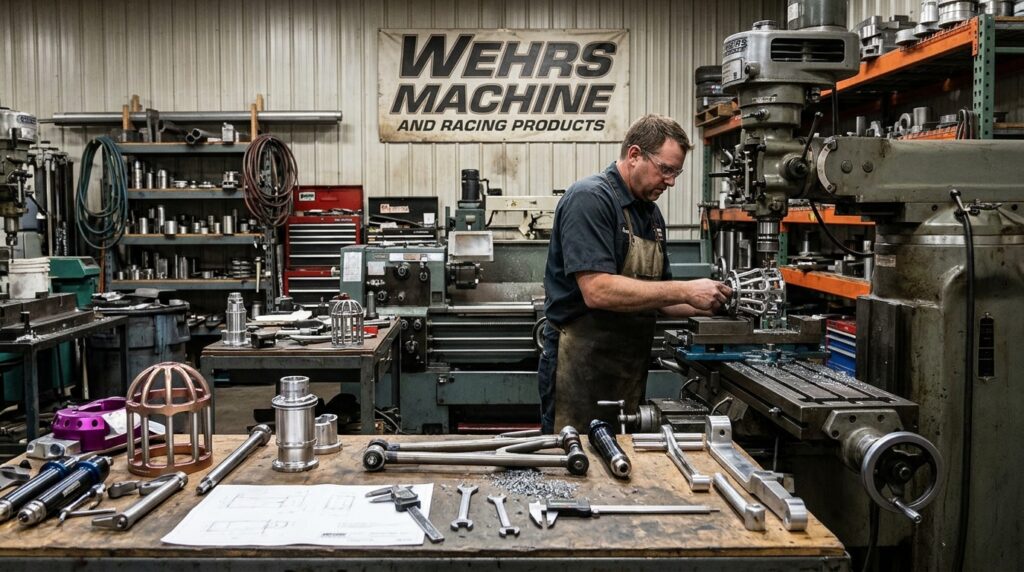

The machinery industry plays an essential role in modern manufacturing, construction, maintenance, production, and industrial development. Businesses across different sectors depend on reliable machines, specialized tools, technical expertise, and efficient equipment solutions to complete their work. In this context, the keyword Wehrs Machine may attract people searching for a machinery company, equipment supplier, industrial service provider, machine-related business, or a specific organization associated with the name Wehrs.
Understanding what people mean when they search for Wehrs Machine is an important first step. Some visitors may be looking for company information, while others could be interested in machinery products, services, technical support, equipment specifications, or purchasing opportunities. The search term may also be associated with a particular location or industry.
This guide explores the general machinery industry, the importance of equipment quality, common machine categories, purchasing considerations, maintenance practices, and the factors people should evaluate when researching a machinery-related business under the name Wehrs Machine.
What Is Wehrs Machine?
Wehrs Machine is a search term that may refer to a machinery-related company, manufacturer, supplier, workshop, or industrial service provider. Without verified company information, it is important not to assume a particular product range, location, ownership structure, or business history.
People searching for Wehrs Machine may have several different objectives. They might want to learn more about the business, identify the products it offers, understand its technical capabilities, find contact information, or determine whether it provides equipment suitable for their requirements.
Machinery businesses generally serve customers who need dependable equipment for production, repair, fabrication, processing, construction, transportation, or specialized industrial work. Depending on the company, its services may include equipment sales, technical consultation, machine servicing, replacement parts, installation, or custom solutions.
For customers, the most important factor is identifying the exact business they are looking for and confirming that its products or services match their requirements.
Why Machinery Businesses Are Important
Machines have transformed how people manufacture products, maintain facilities, construct buildings, and manage industrial operations. Equipment that once required extensive manual labor can now be completed more efficiently with specialized mechanical systems.
Machinery businesses help support this transformation by providing equipment, expertise, maintenance resources, and technical assistance.
Supporting Industrial Productivity
Industrial productivity depends on the ability to complete tasks efficiently while maintaining consistent quality. Proper machinery can help businesses reduce repetitive manual work, improve production speed, and maintain predictable processes.
For example, manufacturing facilities may use automated production systems, cutting machines, presses, conveyors, and material-handling equipment. Workshops may rely on precision tools, welding equipment, machining systems, and lifting devices.
When equipment is appropriately selected and maintained, businesses can improve their operational performance and manage their workloads more effectively.
Helping Businesses Improve Efficiency
Efficiency is not simply about working faster. It also involves reducing unnecessary expenses, minimizing waste, improving workflow organization, and using resources responsibly.
Machinery can help businesses achieve these goals by supporting standardized processes, reducing unnecessary handling, and improving the consistency of completed work.
A reliable machine can make a significant difference in a workplace where equipment is used regularly throughout the day.
Supporting Specialized Work
Some industries require machines designed for highly specific tasks. General-purpose equipment may not always provide the precision, capacity, or functionality needed for specialized applications.
Machinery suppliers and technical service providers can help businesses identify equipment that is suitable for their working conditions, production requirements, and technical limitations.
This is particularly important for companies that operate in demanding industrial environments.
Common Types of Machinery Used Across Industries
The machinery industry includes a wide variety of equipment designed for different applications. Understanding the major categories can help customers identify the type of machine they may need when researching a machinery supplier.
Manufacturing Machinery
Manufacturing machinery is used to transform raw materials, components, and unfinished products into finished goods.
Common examples include:
- CNC machining equipment
- Milling machines
- Lathes
- Industrial presses
- Cutting systems
- Injection molding machines
- Automated production equipment
- Assembly machines
Manufacturing equipment is often selected based on production volume, material compatibility, precision requirements, operating costs, and available workspace.
Construction Machinery
Construction equipment supports building projects, infrastructure development, site preparation, excavation, and material transportation.
Examples include excavators, loaders, bulldozers, cranes, compactors, concrete mixers, and lifting equipment.
Construction machinery must be suitable for the site environment, workload, terrain, and safety requirements. Buyers also need to consider transportation, maintenance, fuel consumption, and operator training.
Workshop and Fabrication Equipment
Workshops frequently use machinery to repair components, fabricate metal structures, process materials, and perform technical work.
Equipment may include welding machines, grinders, drill presses, hydraulic presses, cutting tools, and fabrication systems.
Choosing workshop equipment requires careful attention to the materials being processed, the size of the workpieces, accuracy requirements, and available electrical or mechanical resources.
Material Handling Equipment
Material-handling machinery helps businesses move, lift, organize, and transport products or materials within a workplace.
Common examples include forklifts, pallet trucks, conveyors, lifting systems, hoists, and warehouse equipment.
The right material-handling system can help reduce unnecessary movement, improve workplace organization, and support safer operations.
Agricultural Machinery
Agricultural equipment supports planting, cultivation, harvesting, irrigation, and other farming activities.
Farm machinery may include tractors, seeders, harvesters, sprayers, tillage equipment, and specialized attachments.
Farmers typically evaluate equipment according to field conditions, crop requirements, seasonal workload, fuel efficiency, availability of replacement parts, and ease of repair.
Factors to Consider When Choosing Machinery
Selecting the right machine requires more than comparing product prices. Businesses should evaluate several important factors before making a purchasing decision.
1. Intended Application
The first step is identifying exactly what the machine needs to accomplish. Buyers should define the required operation, materials, workload, and expected results.
A machine designed for light-duty work may not be appropriate for continuous industrial use. Similarly, equipment designed for a particular material may not perform properly with other materials.
Clear application requirements make the selection process easier and help prevent unnecessary purchases.
2. Machine Specifications
Technical specifications provide important information about equipment capabilities.
Depending on the machine, specifications may include:
- Operating capacity
- Motor power
- Speed range
- Dimensions
- Weight
- Maximum load
- Production capacity
- Precision or tolerance
- Voltage requirements
- Compatible materials
Customers should carefully review these specifications and compare them with their actual operating needs.
3. Build Quality and Reliability
Machine quality affects performance, longevity, and maintenance requirements. Equipment constructed with suitable materials and dependable components may provide more consistent results over extended periods.
Buyers should examine the machine’s construction, component quality, design, manufacturing standards, and available documentation.
Reliability is particularly important for businesses that cannot afford frequent production interruptions.
4. Safety Features
Safety should always be a priority when selecting machinery. Industrial machines may contain moving parts, high-pressure systems, sharp components, heat sources, or electrical equipment.
Important safety features may include protective guards, emergency stops, safety switches, overload protection, warning indicators, and clearly documented operating procedures.
Customers should confirm that equipment meets applicable workplace safety requirements and can be operated safely by trained personnel.
5. Availability of Parts and Service
A machine may offer excellent performance, but its long-term value can be affected by the availability of replacement parts and technical assistance.
Before purchasing, buyers should ask about service availability, spare parts, repair procedures, warranty conditions, and maintenance support.
Reliable after-sales assistance can help reduce downtime and improve the overall ownership experience.
The Importance of Machine Maintenance
Regular maintenance is essential for keeping machinery in good working condition. Even well-built equipment can experience wear, performance changes, or mechanical problems when used regularly.
A practical maintenance routine can help businesses protect their equipment investments.
Routine Inspections
Routine inspections help identify problems before they become more serious. Operators should follow the manufacturer’s recommended inspection schedule and check the machine for visible damage, unusual noises, leaks, vibration, or other warning signs.
Inspection requirements vary according to machine type, operating conditions, and manufacturer instructions.
Cleaning and Lubrication
Dust, debris, residue, and other contaminants can affect machine performance. Cleaning equipment according to the manufacturer’s recommendations helps maintain proper operating conditions.
Lubrication is also important for machinery that contains moving components. Correct lubricants and application intervals help reduce friction and wear.
Preventive Maintenance
Preventive maintenance involves performing scheduled tasks before equipment develops major problems.
Depending on the machine, these tasks may include replacing filters, inspecting belts, checking fasteners, testing safety systems, adjusting components, and reviewing operating performance.
A preventive maintenance schedule can help businesses organize maintenance activities and reduce unexpected downtime.
Proper Operator Training
Machine operators should understand the equipment’s controls, operating limits, safety features, and emergency procedures.
Training is especially important when employees use unfamiliar machines or when equipment has complex operating requirements.
Following established procedures can help protect workers, equipment, and production quality.
How Machinery Can Improve Business Performance
Businesses often invest in machinery because they want to improve productivity, maintain quality, or expand their operational capabilities.
Faster Workflows
Machines can help businesses complete repetitive operations more quickly than manual processes. Faster workflows may allow companies to process more orders, reduce production delays, and improve scheduling.
However, equipment speed should always be considered alongside quality, safety, and reliability.
Consistent Results
Modern machinery can support more consistent results by maintaining controlled operating conditions and repeatable processes.
Consistency is especially valuable in manufacturing, fabrication, packaging, processing, and other industries where product quality depends on precise operations.
Reduced Manual Work
Some machinery reduces the need for repetitive physical tasks. This can help businesses improve workflow organization and allow employees to focus on monitoring operations, quality control, maintenance, or other important responsibilities.
Proper training and safety planning remain essential when introducing new equipment.
Better Resource Management
Well-selected machinery may help companies manage labor, materials, energy, and time more efficiently.
Equipment that fits the workload can reduce waste and improve the use of available resources. However, the benefits depend on proper installation, operation, maintenance, and business planning.
New Machinery vs. Used Machinery
Customers researching a machinery business may also be comparing new and used equipment.
Both options can be suitable, depending on the application, budget, operating requirements, and equipment condition.
Advantages of New Machinery
New machinery may offer several benefits:
- Updated technology and design
- Manufacturer warranty options
- New components and reduced initial wear
- Current safety features
- Access to manufacturer documentation
- Potentially improved energy efficiency
New equipment may be especially attractive to businesses that require dependable performance and expect to use the machine regularly.
Advantages of Used Machinery
Used equipment can provide a more affordable entry point for businesses that need machinery but have limited budgets.
Potential benefits include lower initial costs, access to equipment that is no longer manufactured, and the possibility of acquiring a machine with proven operating history.
However, used machinery should be carefully inspected. Buyers should review maintenance records, machine condition, operating hours where available, repair history, and the availability of replacement parts.
The purchase price alone should not determine whether used equipment represents good value.
Understanding the Total Cost of Ownership
The cost of machinery extends beyond its purchase price. Businesses should consider the total cost of ownership when evaluating equipment.
The total cost may include:
- Initial purchase price
- Shipping and transportation
- Installation
- Operator training
- Electricity, fuel, or other energy costs
- Routine maintenance
- Replacement parts
- Repairs
- Insurance where applicable
- Downtime and lost production
A lower-priced machine may become more expensive over time if it requires frequent repairs or consumes excessive energy.
Conversely, a more expensive machine may provide better long-term value if it offers dependable performance, suitable capacity, efficient operation, and strong support.
What Customers May Look for When Researching Wehrs Machine
People searching for Wehrs Machine may want to confirm several details before contacting a business or making a purchase.
Company Information
Customers often begin by looking for the company’s official website, business location, operating hours, background information, and contact details.
Verified company information helps visitors understand whether they have found the correct business.
Products and Equipment
A potential customer may want to know what types of machinery are available, whether equipment is new or used, and which models are suitable for specific applications.
Product descriptions, technical specifications, photographs, and documentation can help answer these questions.
Services
Machinery-related businesses may offer different services depending on their expertise and business model.
Possible services across the industry include machine repair, installation, inspection, fabrication, maintenance, technical consultation, equipment upgrades, and parts supply.
These services should be confirmed directly with the specific business rather than assumed.
Customer Support
Good customer support can be important when purchasing, installing, or maintaining machinery.
Customers may want to ask about warranty coverage, technical assistance, service scheduling, replacement components, and operating guidance.
Clear communication helps customers make informed decisions and understand what support is available.
Questions to Ask Before Buying a Machine
Before purchasing machinery from any supplier, customers should prepare a list of questions.
Useful questions include:
- What is the machine designed to do?
- What materials can it process?
- What are its operating capacity and limitations?
- Is the machine new, refurbished, or used?
- What warranty is included?
- Are replacement parts available?
- Does the supplier provide installation assistance?
- Is operator training available?
- What maintenance is required?
- What are the electrical, space, and environmental requirements?
- Are safety instructions and technical manuals provided?
- What is the expected delivery timeframe?
These questions can help buyers understand the equipment and avoid unexpected expenses.
Technology and the Future of Machinery
The machinery industry continues to evolve as manufacturers and businesses adopt newer technologies.
Automation
Automation allows machines to perform certain tasks with reduced manual intervention. Automated systems can support production efficiency, repeatability, and workflow management.
The level of automation varies widely, from simple mechanical controls to advanced production systems.
Digital Monitoring
Digital monitoring systems can help operators track machine performance, operating conditions, and maintenance requirements.
Depending on the equipment, sensors may monitor temperature, vibration, pressure, speed, or other important parameters.
Predictive Maintenance
Predictive maintenance uses equipment data and condition-monitoring techniques to identify potential problems before failures occur.
When implemented appropriately, these methods may help businesses schedule repairs, reduce unexpected downtime, and improve maintenance planning.
Energy Efficiency
Energy-efficient equipment can help businesses manage operating expenses and reduce energy consumption.
When evaluating machinery, buyers may consider motor efficiency, operating cycles, power requirements, standby consumption, and overall system design.
Advanced Manufacturing
Technologies such as CNC machining, robotics, computer-aided design, and digital production systems continue to influence manufacturing operations.
These technologies can improve accuracy, flexibility, and process control when they are appropriate for the business’s needs.
How to Research a Machinery Company Effectively
If you are searching for Wehrs Machine or another machinery-related business, a structured research process can help.
Start by checking the exact spelling of the company name. Search for the official website and confirm that the business details match the company you intended to find.
Review its product or service information. Look for technical documentation, photographs, specifications, and clearly described capabilities.
If purchasing equipment, contact the company to ask questions about availability, pricing, condition, warranty, and delivery.
For significant purchases, compare several suppliers and consider independent equipment inspections where appropriate.
A careful research process can help you identify a supplier that meets your technical, financial, and operational requirements.
Frequently Asked Questions About Wehrs Machine
What is Wehrs Machine?
Wehrs Machine is a search term that may refer to a machinery-related business, manufacturer, equipment provider, or specialized service company. The exact identity and business offerings should be confirmed through verified company information.
What products does Wehrs Machine offer?
The specific products associated with Wehrs Machine cannot be confirmed from the keyword alone. Visitors should check the company’s official website, product catalog, or verified business listing to identify its actual equipment offerings.
Is Wehrs Machine a manufacturer or a machinery supplier?
It is not possible to confirm whether Wehrs Machine is a manufacturer, dealer, supplier, repair provider, or another type of machinery business without reliable company information.
Why do people search for Wehrs Machine?
People may search for the name to find business information, equipment products, machinery specifications, services, contact details, customer support, or purchasing opportunities.
How do I choose the right machinery?
Start by identifying the task, materials, operating capacity, safety requirements, budget, available workspace, and maintenance needs. Compare equipment specifications and consult qualified professionals when necessary.
Is machinery maintenance important?
Yes. Routine inspections, cleaning, lubrication, preventive maintenance, and operator training can help maintain machine performance, support safe operation, and reduce unexpected equipment problems.
What should I check before purchasing industrial equipment?
Review the equipment’s specifications, condition, warranty, service availability, replacement parts, installation requirements, operating costs, and safety documentation.
Can machinery improve productivity?
Suitable machinery can help businesses improve workflow efficiency, reduce repetitive manual work, maintain consistency, and manage production more effectively. Results depend on equipment selection and implementation.
Conclusion
Wehrs Machine is a keyword that may lead users to information about a machinery company, equipment provider, manufacturer, or specialized industrial service. Identifying the exact business is essential before making assumptions about its products, services, location, or capabilities.
The broader machinery industry remains important to manufacturing, construction, workshops, agriculture, material handling, and many other sectors. Businesses rely on machinery to improve efficiency, maintain consistent output, manage workloads, and support specialized operations.
When researching a machinery supplier, customers should focus on verified company information, equipment specifications, reliability, safety, maintenance requirements, customer support, and total cost of ownership.
Whether you are researching Wehrs Machine for informational purposes or exploring machinery for a business requirement, taking time to verify details and compare options can help you make a more confident and practical decision.